Published September 18, 2026
Orthodontic Treatment in Norwich
Preview image for Orthodontic Treatment in Norwich
Choosing between fixed braces and clear aligners
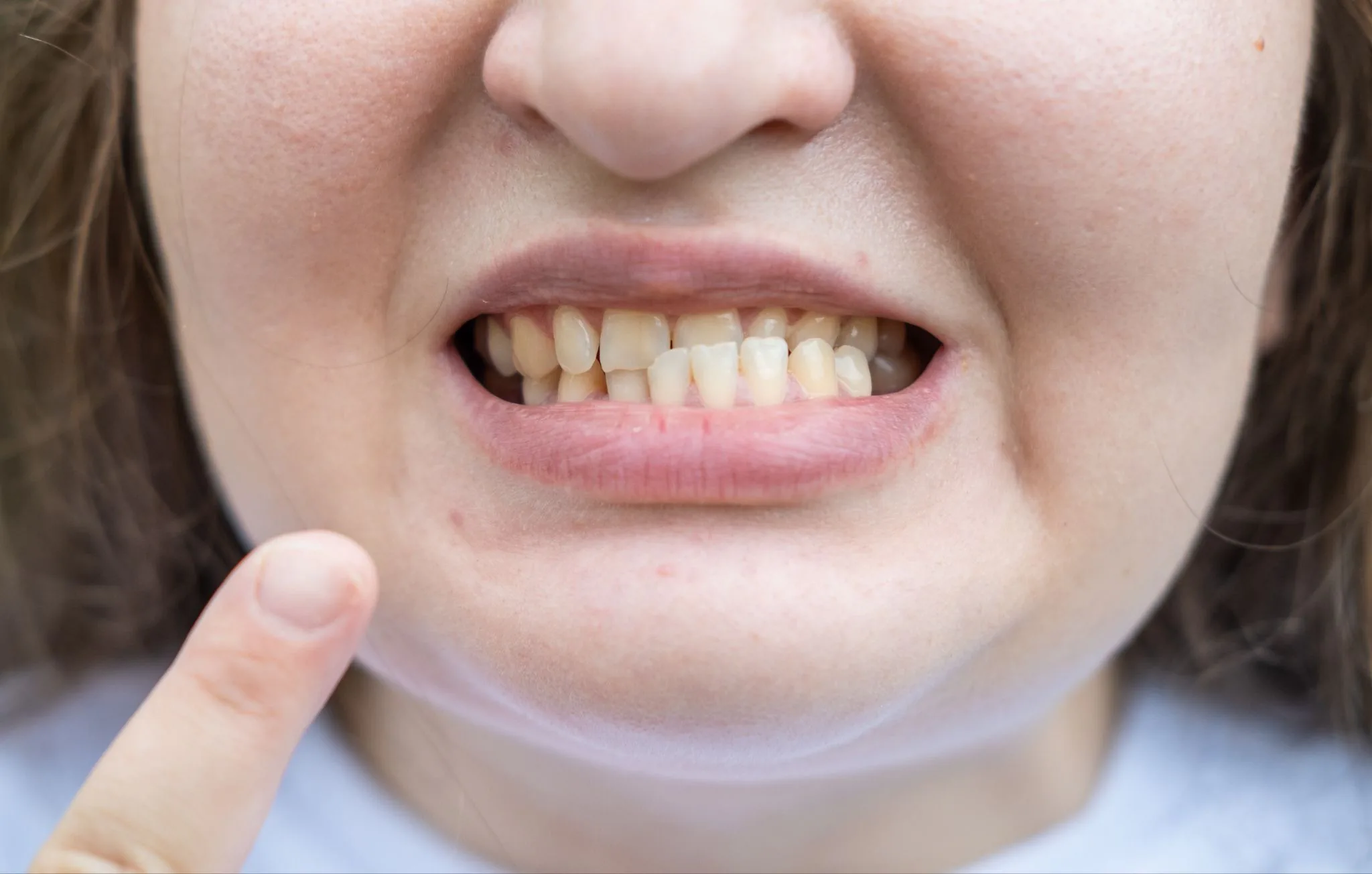
If you are thinking about straightening your teeth, you may be wondering whether fixed braces or clear aligners would suit you best. Both can produce excellent results, but the right choice depends on your teeth, your bite, your treatment goals and how you would like treatment to fit into daily life.
At Taverham Dental Health Clinic, we assess each patient carefully and explain the suitable options clearly. For some people, Invisalign clear aligners may offer a discreet and removable approach. For others, fixed braces may provide the control needed for more complex tooth movements. Your consultation is the best place to understand what is achievable for your individual smile.
Fixed braces and clear aligners compared
No single orthodontic system is right for everyone. The complexity of the tooth movements required, your bite and your ability to follow the treatment plan will all influence the recommendation.
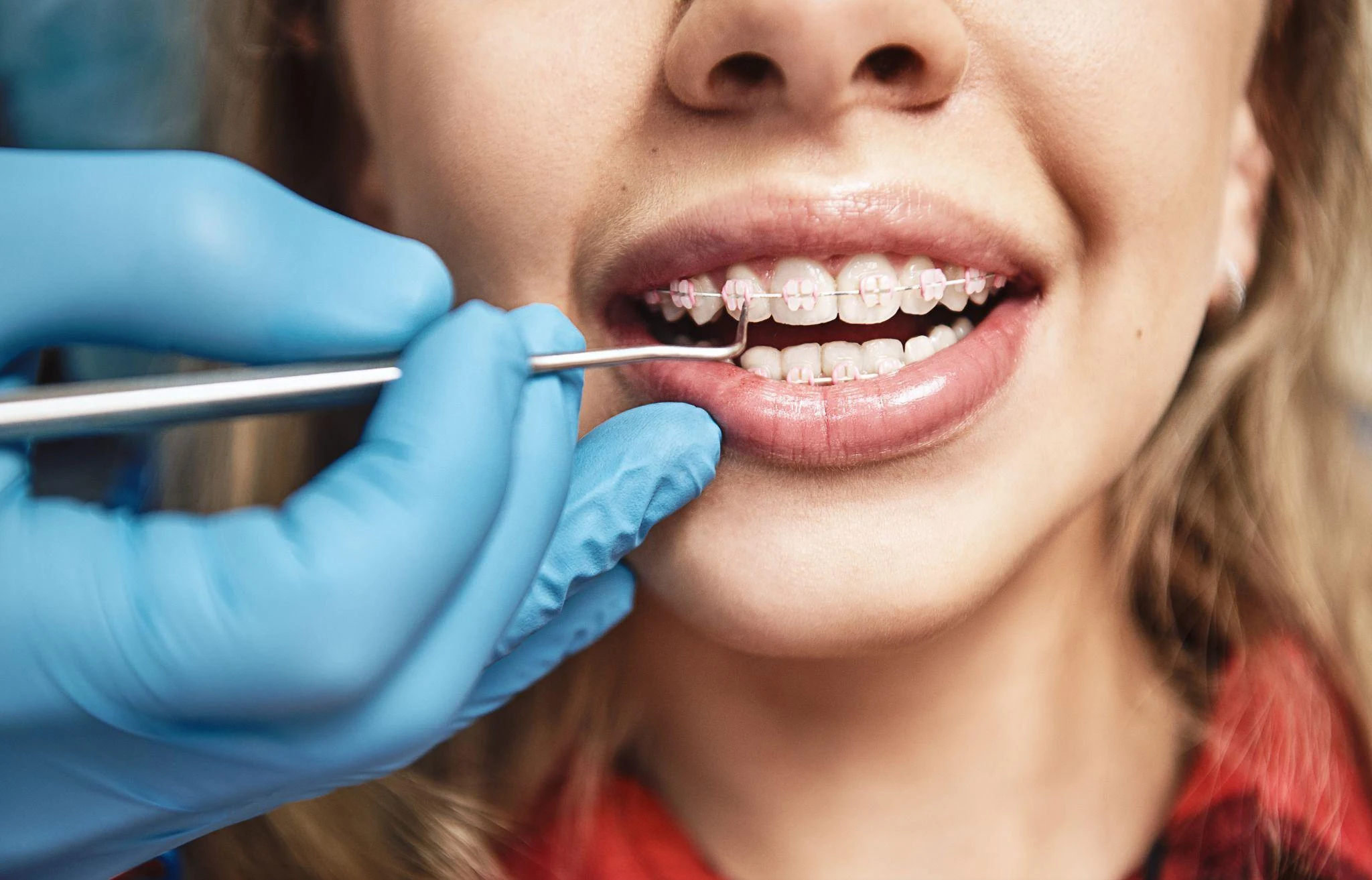
Traditional fixed braces. Metal or tooth-coloured ceramic brackets are attached to the teeth and connected by a wire. Because they work continuously and do not rely on the patient remembering to wear them, fixed braces can be particularly useful for complex alignment, significant crowding or bite correction.
Invisalign clear aligners. A series of custom-made, removable aligners gradually moves the teeth towards their planned positions. The aligners are discreet and can be removed for eating, drinking, brushing and flossing. They must be worn as instructed for treatment to progress as planned, and they may not be suitable for every case.

What happens at an orthodontic consultation
Your clinician will examine your teeth, gums and bite, discuss what you would like to change and use photographs, scans or X-rays where appropriate. We will then explain the suitable treatment options, likely timescale, fees and what will be required from you during treatment. Any dental or gum health concerns should be addressed before orthodontic treatment begins.
Protecting and refining your result
Straightening the teeth creates the foundation for your new smile, but maintaining the result is just as important. Once active treatment is complete, retainers are normally required to help keep the teeth in their new positions. We will explain how and when to wear them and how to care for them.
Some patients also choose a cosmetic treatment after orthodontics, once the teeth and gums are healthy and the result has settled:
- Professional teeth whitening. Dentist-supervised whitening can lighten the natural shade of the teeth and refresh the appearance of your smile. Suitability is assessed first, and existing fillings, crowns and bonding will not whiten in the same way as natural teeth.
- Composite bonding. Tooth-coloured composite can be used to improve the shape of selected teeth, repair small chips or close minor spaces. It is usually minimally invasive, although the exact preparation depends on the individual tooth and the result being planned. If whitening and bonding are both being considered, whitening is usually completed first so the composite shade can be matched afterwards.
Clear costs and flexible ways to pay
Before you decide to proceed, we will provide a clear treatment plan and explain the fees involved. We also offer options designed to make ongoing dental care and treatment costs easier to manage:
- Dental memberships. Our monthly plans can help you keep up with routine examinations and hygiene appointments, supporting healthy teeth and gums before, during and after orthodontic treatment.
- 0% APR Tabeo finance. Eligible patients may be able to spread the cost of treatments such as Invisalign, fixed braces or composite bonding over 3 to 12 months. Finance is subject to status, affordability checks and terms and conditions.
Book an orthodontic consultation in Norwich
If you are considering fixed braces or Invisalign in Norwich, contact Taverham Dental Health Clinic to arrange a consultation. We will listen to what you would like to achieve, assess your smile and help you choose a treatment plan that is appropriate for you.
Treatment recommendations, timescales and outcomes vary between patients and can only be confirmed after a clinical assessment.